

Feasibility study
What is a feasibility study?
A feasibility study (FS) is an important part of the design and construction process.
A FES is a document that determines the feasibility and effectiveness of a construction project, taking into account technical, economic, environmental and social aspects. The FES conducts an in-depth analysis of costs, benefits and possible risks, which allows customers and investors to make informed decisions. The feasibility study is the basis for assessing the feasibility of a project and determining its economic efficiency.
The main purpose of the feasibility study
The purpose of the feasibility study is to create a detailed assessment of the costs and benefits of the project. This helps to select the most optimal and economically advantageous construction options, reduce costs and ensure a high level of quality at all stages of construction/major repairs/reconstruction. This analysis ensures the stability of financing and minimizes risks. The feasibility study includes an assessment of the costs and benefits arising in the project process and helps to make the best decision taking into account economic and technical aspects.
Types of Feasibility Studies
There are different types of feasibility studies that can be developed depending on the type of project. Among them are:
- Feasibility studies for new construction;
- Feasibility studies for reconstructions;
- Feasibility studies for modernizations;
- Feasibility studies for special projects, such as industrial facilities, infrastructure, and others.
Each type of study has its own characteristics and requires a specific approach to analysis and planning.
A technical feasibility study assesses whether a project can be implemented from a technical standpoint. It includes the analysis of available technologies, resources, infrastructure, and potential constraints. This study helps determine the technical viability of the project and identify the conditions required for its successful implementation.
An economic feasibility study assesses the financial viability and economic efficiency of a project. It includes cost-benefit analysis, profitability assessment, and cash flow analysis to determine whether the project is economically justified and worth implementing.
An operational feasibility study focuses on integrating the project into existing operational processes. It determines how project implementation will affect the organization’s current activities, including staffing, organizational, and training needs.
A market feasibility study assesses demand for the product or service provided by the project. It includes market research, analysis of the competitive environment, and identification of potential customers and trends that may affect the project’s success.
A legal feasibility study assesses the legal aspects of a project. It includes the analysis of applicable laws, standards, and regulatory requirements that the project must meet to avoid legal risks during implementation.
An environmental feasibility study evaluates the potential environmental impact of a project. It includes the assessment of environmental risks related to water resources, air quality, biodiversity, and waste management to ensure that the project is environmentally sustainable.
Each type of feasibility study has its own specifics and requires a dedicated approach to analysis and planning.
Our approach to preparing feasibility studies ensures accuracy, consistency, and well-grounded decision-making at every stage. When developing a technical and economic feasibility study, we consider all critical aspects of the project and use it as a reliable basis for the successful implementation of projects of any complexity.
Our specialists carry out the full scope of work required to prepare technical and economic feasibility studies for various types of facilities. The key stages include:
Defining project requirements and objectives.
assessment of economic, technical, and legal aspects
comparison of costs and benefits of different approaches
Recommendations for Selecting the Optimal Solution
You can contact LLC ENGINEERING CORP. to receive a high-quality technical and economic feasibility study for your project. By choosing us, you receive a professional approach at every stage:
- the use of advanced analysis methods;
- individual recommendations for each client;
- ensuring high efficiency and cost minimization.
Areas of Expertise
We specialize in feasibility studies for various types of facilities:
- industrial enterprises;
- residential and commercial real estate;
- infrastructure projects;
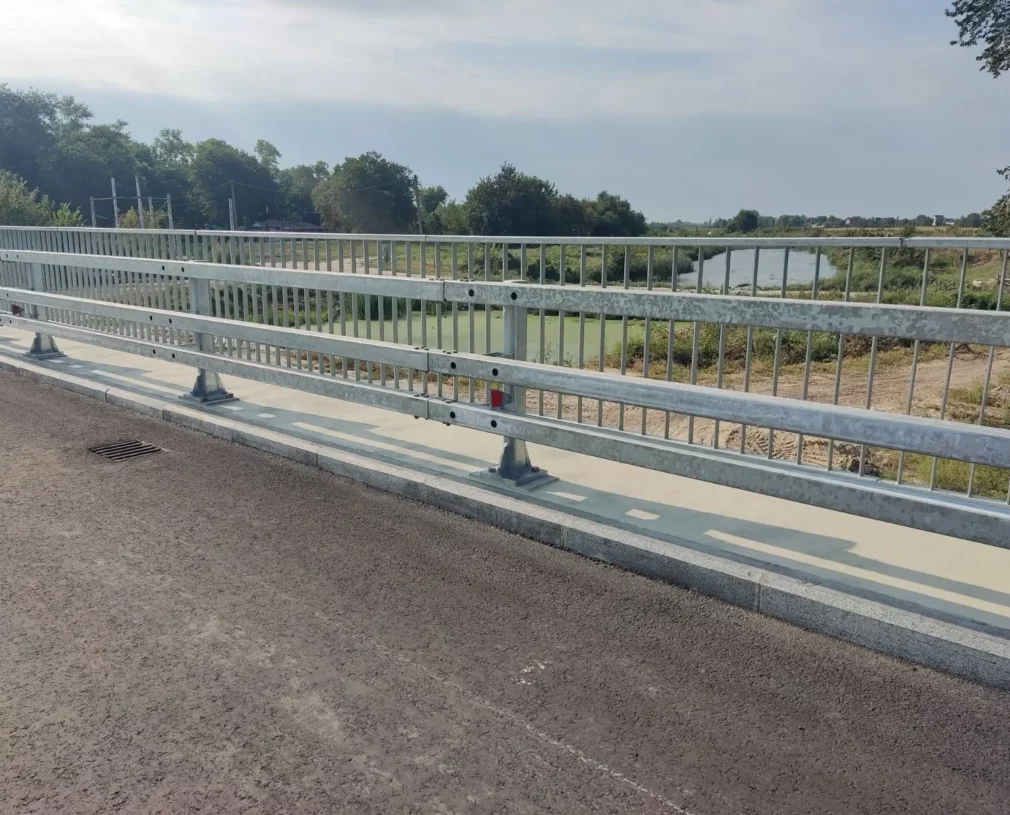
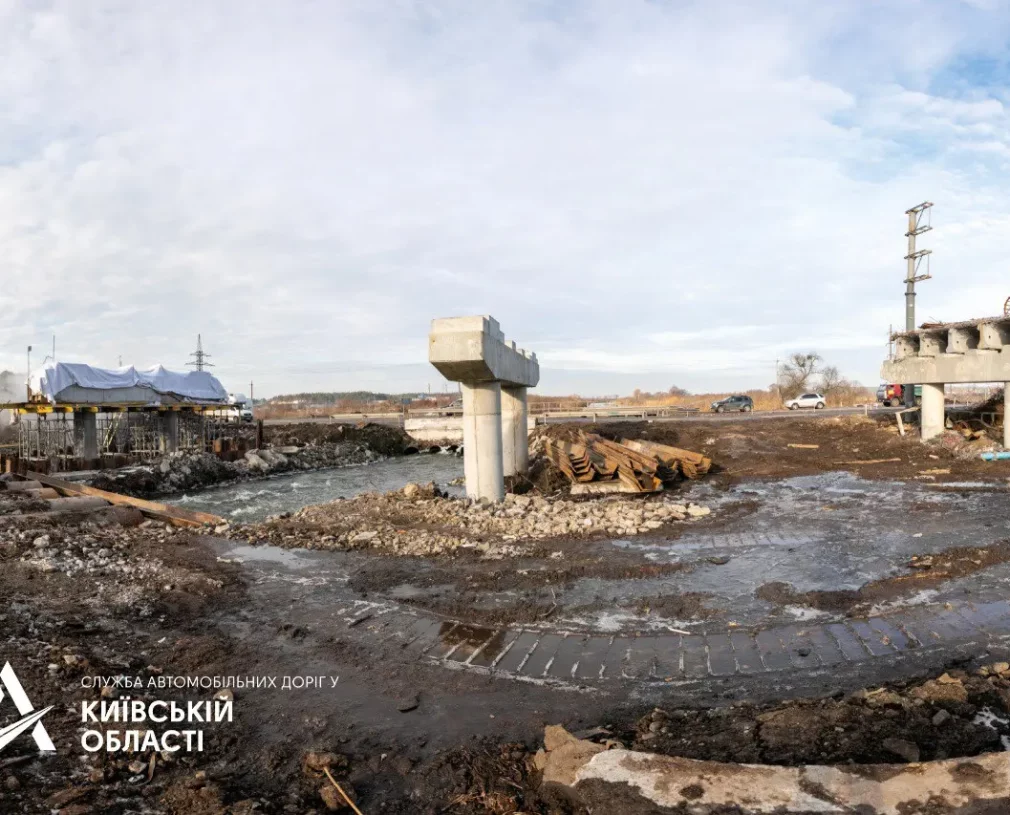
- road and bridge construction, and other facilities.
All our projects are unique and tailored to specific market conditions and client requirements.
Our company has successful experience in developing technical and economic feasibility studies for a wide range of projects, from small-scale facilities to major infrastructure projects. We always focus on best practices and an individual approach to each client. Our projects are implemented in compliance with all market requirements and with maximum efficiency.
Completed projects:
- Project management for the development of a technical and economic feasibility study for the public-private partnership transport corridor “Krakovets – Lviv – Brody – Rivne”
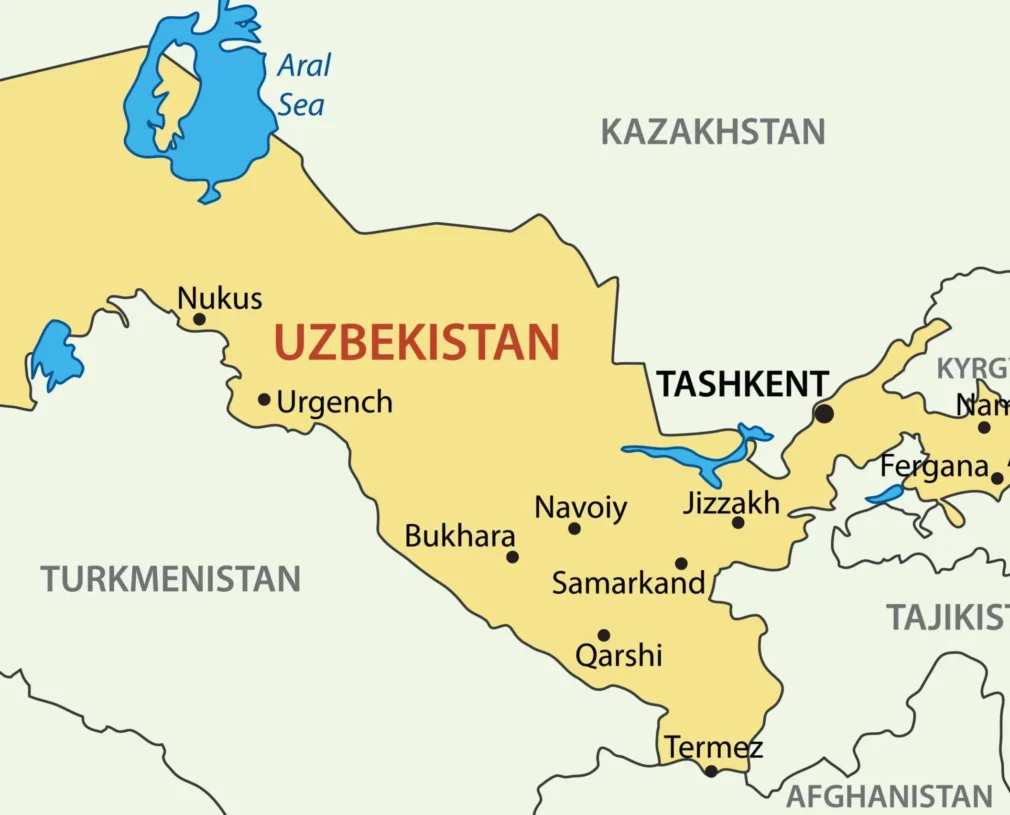
- Construction of new treatment facilities at the Urgench Wastewater Treatment Plant — preparation of basic design and tender documentation